
Champney’s West Aquarium: How Inclusive Hiring Strengthened a Community Workplace

Employer Case Study
Building Inclusive Employment at a Community Aquarium
With support from CCRW, Champney’s West Heritage Group created a meaningful summer employment opportunity for a neurodivergent job seeker, strengthening operations, team culture, and community connection along the way.
Small community organizations play a powerful role in creating meaningful employment opportunities. When a job seeker in the community expressed interest in working at the Champney’s West Aquarium, the Champney’s West Heritage Group (CWHG) partnered with Canadian Council on Rehabilitation and Work (CCRW) to help make that opportunity possible.
The result was a successful 2025 summer placement that benefited not only the individual employee, but also the aquarium team, visitors, and the wider community.
Background
Champney’s West Heritage Group is a community-based organization dedicated to promoting the cultural heritage of the region. Incorporated in 2010, CWHG operates three tourism attractions: the Ella Freeman Heritage House, the Fox Island Trail, and the seasonal public aquarium.
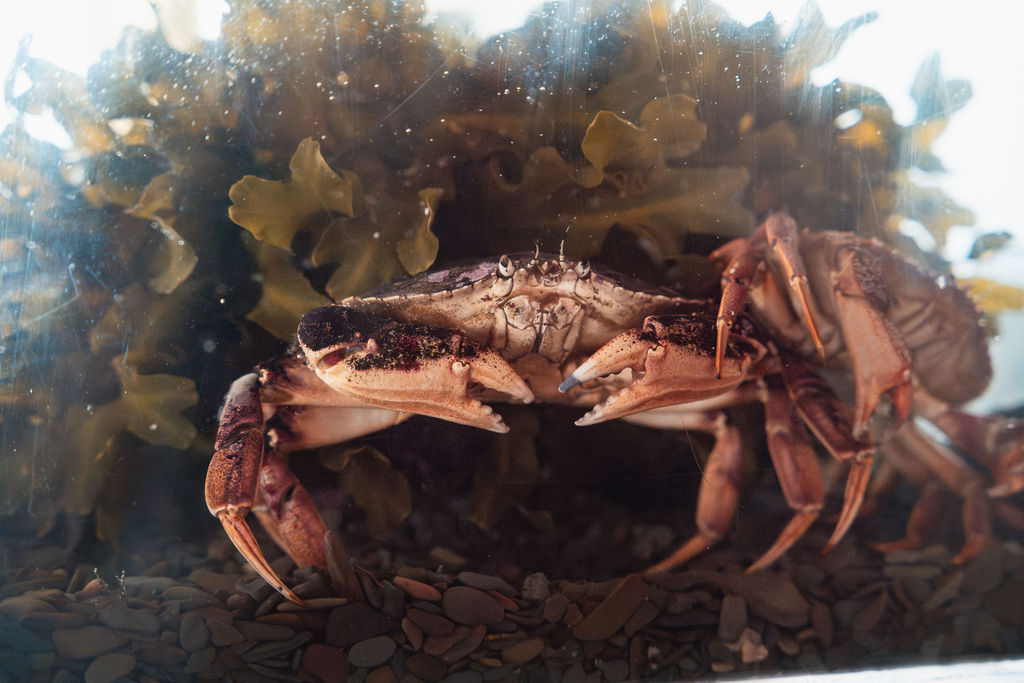
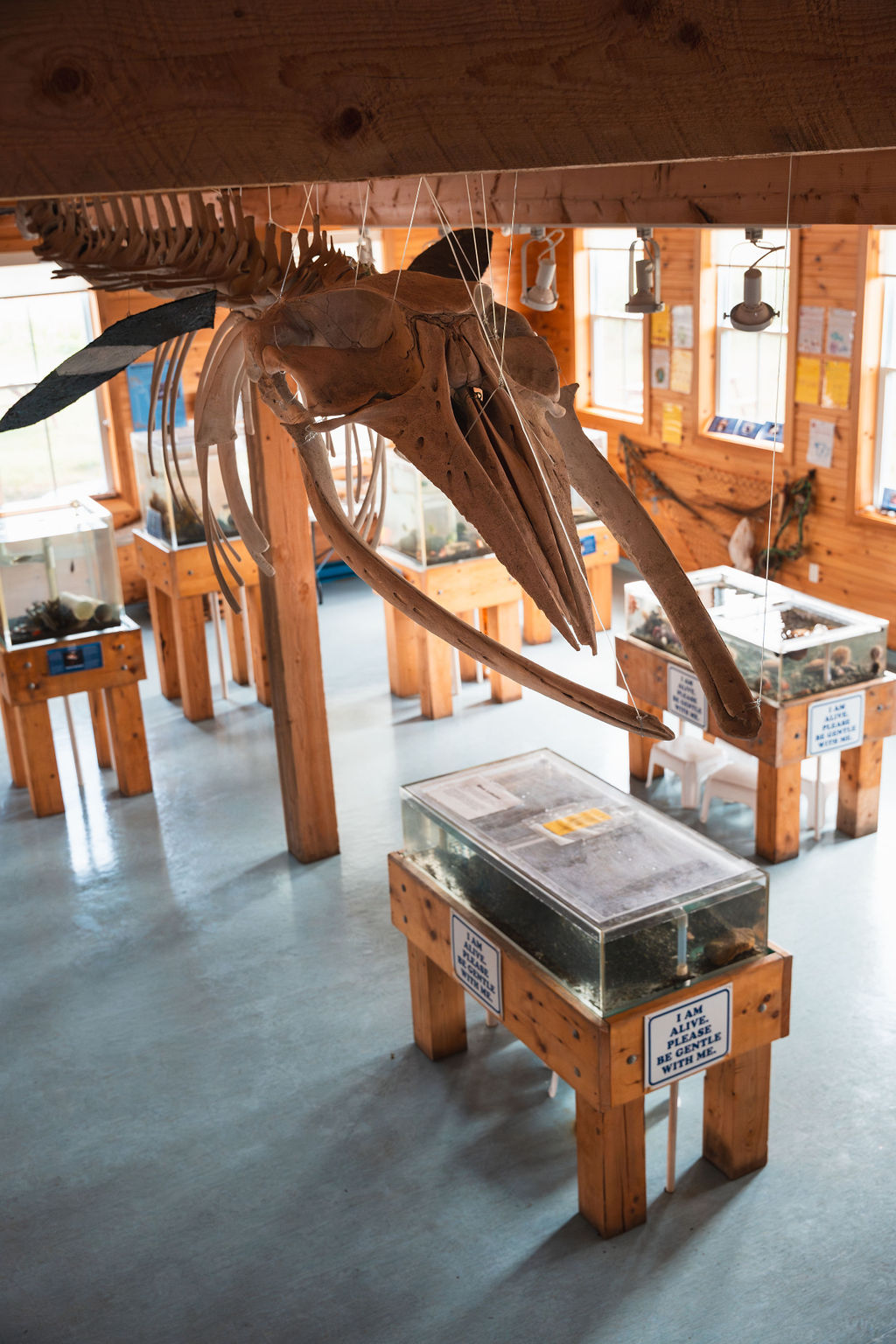
The aquarium offers visitors the chance to explore marine life through viewing tanks, aquarium exhibits, and touch tanks. It also serves as an educational space where guests can learn about ocean sustainability, the impact of climate change, and the connection between marine ecosystems and the local economy.
During a typical summer season, six or seven seasonal employees work across CWHG’s operations, with the majority supporting the aquarium. Their work is complemented by regular community volunteers who help welcome visitors, manage admissions and gift shop sales, lead interpretive tours, assist with children’s activities, and support special events.
“My experience working with CCRW was excellent from start to finish.”
— Catherine Street, Executive Coordinator, Champney’s West Heritage Group
The Role of CCRW
Catherine Street first learned about CCRW through the Autism Society branch in Clarenville, Newfoundland and Labrador. She was aware of a neurodivergent job seeker in the community who had previously volunteered at the aquarium and was interested in working full time during the 2025 season. However, like many small organizations, CWHG faced a significant barrier: limited funding.
CCRW helped make the role possible by providing support that was both practical and approachable. Catherine described the process as easy, responsive, and non-stigmatizing. She also noted that CCRW’s timely salary reimbursement was essential for a small organization operating on a seasonal budget.
Responsive Support
Clear communication and timely answers throughout the process.
Non-Stigmatizing Approach
A supportive process focused on ability, opportunity, and inclusion.
Financial Feasibility
Timely reimbursement helped make the placement possible for a small nonprofit employer.
Success Story
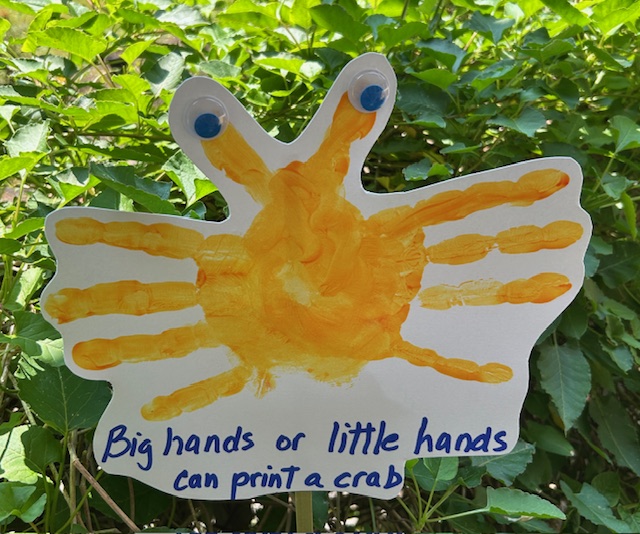
The individual was hired as an Aquarium Interpreter and carried out the same responsibilities as other members of the seasonal team. Their role included managing front cash, providing tours, helping children with arts and crafts, assisting with cleaning and restocking, and even dressing as the aquarium mascot on two occasions.
The employee worked for the full season, approximately 10.5 to 11 weeks, at 35 hours per week and became a valued, fully integrated member of the team. Catherine shared that their confidence grew steadily throughout the summer, particularly in interacting with visitors, providing tours, and operating the cash desk.
Beyond daily tasks, the employee also contributed to team spirit by helping create a positive and welcoming workplace culture. According to Catherine, they made people laugh, supported other staff, and helped strengthen the sense of connection across the team.
“The employee's confidence grew throughout the season. I’m delighted that we were able to provide that safe working environment for them.”
— Catherine Street
Impact
The 2025 season was the aquarium’s busiest yet. Having this role supported through CCRW meant the organization had the staffing needed during peak periods. The employee was often the first to arrive in the morning and greet visitors. They were also willing to help outside normal hours when needed.
Their presence also had a meaningful impact on the workplace environment. Catherine noted that worker hired helped create the feeling of being a proper team. They brought energy, humour, and support to both staff and visitors.
The impact extended beyond the workplace. By hiring someone from within the community, CWHG built strong goodwill and demonstrated the value of inclusive hiring in a visible local way. Catherine described that goodwill as immeasurable.
Looking ahead, the organization hopes to offer similar opportunities in future seasons and continue its inclusive hiring efforts wherever possible.

“Employing this individual brought CWHG so much goodwill from the community. Its value is immeasurable.”
— Catherine Street
A Model for Inclusive Community Hiring
This partnership shows how inclusive hiring can create benefits far beyond a single placement. With the right support, small community employers can open meaningful doors for job seekers with disabilities while strengthening their own teams, operations, and community relationships.