
October 8, 2025
Building your path: Opportunities for Schools for Post-secondary pathways to rewarding careers for students with disabilities


Contributors: Emily Watling & Vanessa Sinclair, CCRW
Entering the workforce is a daunting experience for everyone, including college and university graduates. With youth unemployment rates at historic highs, new graduates are feeling more uncertain than ever about their career prospects.
For the 20% of Canadian youth with disabilities, these challenges are even more pronounced. Although the number of postsecondary graduates with disabilities is higher than ever before, employment inequities persist.
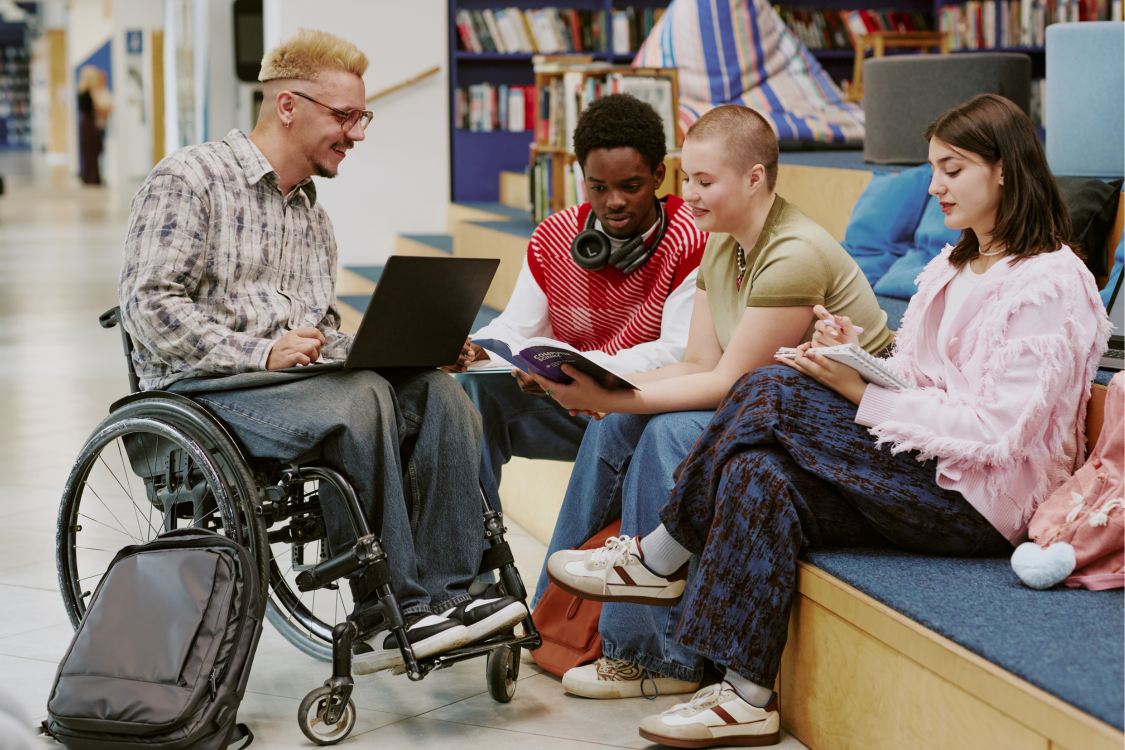
Fortunately, postsecondary students and recent graduates with disabilities have options to shape their career pathways and take ownership over their professional development. Colleges and universities also have an opportunity to better meet the needs of students with disabilities, helping prepare them for success in a changing labour market.
Opportunities for Schools
Postsecondary institutions often provide career services to explore career paths, clarify goals, and build action plans. These services may include résumé and cover letter reviews, interview preparation, and access to recruitment and networking events. Some institutions even offer free or low-cost career counselling for several months after graduation. Beyond campus supports, mentorship opportunities can be invaluable. Mentors can help youth build transferable skills, strengthen self-advocacy, expand their networks, and gain confidence navigating their career journey.
Many colleges and universities have successfully fostered accessible classrooms. However, career-readiness resources like professional development programs, work-integrated learning opportunities, and transition-out supports for new graduates sometimes lag behind.
Postsecondary schools can promote the long-term workforce inclusion of workers with disabilities by building connections with employers and community partners, working together to combat discrimination and improve access to resources.
Education and Advocacy
Employer biases are some of the most persistent barriers to workplace disability inclusion. Many employers are still hesitant to hire workers with disabilities based on misconceptions about their competence, their productivity, or the perceived cost of accommodations.
Small- and medium-sized businesses, in particular, sometimes lack formal processes to equitably recruit and manage workers with disabilities. Hiring practices and workplace norms can also create barriers for job seekers with disabilities, including common practices like:
- Requiring a personal vehicle when it is not necessary, or where public transportation could be a reasonable alternative.
- Imposing unnecessary physical requirements (e.g., requiring the capacity for heavy lifting in roles where it is not necessary).
- Using vague criteria like “strong communication skills”, which are difficult to evaluate fairly.
College and university career centres can be powerful allies for youth with disabilities by advocating for them to potential employers. For example, by developing educational materials or tools that career counselors can share with employers to combat ableism, demystify accessibility and accommodations, and build capacity, postsecondary career services professionals can help promote the value of youth with disabilities in the workplace.
Additionally, fostering collaboration between postsecondary institutions, employers, and community organizations can streamline school-to-work transitions for new graduates.
Career Development Resources
As early as secondary school, youth with disabilities face obstacles to accessing career prep resources. Career counseling, pre-apprenticeship programs, co-op placements, and technical or vocational training vary in quality and availability across provinces and school boards.
When resources are available, youth with disabilities may be unable to access them due to barriers such as:
- Career counselors lacking the necessary training to work with students with disabilities.
- Educators’ misconceptions about students’ interest or ability to participate.
- Employers’ reluctance to host youth with disabilities for co-op placements or internships.
In colleges and universities, co-curricular and career services can face similar accessibility barriers, limiting early professional development opportunities for students with disabilities. School-to-work transition supports for graduates are also often insufficient. After graduating, navigating unfamiliar systems and a disconnected resource landscape can be intimidating.
By building strong connections with community resources, like disability-focused employment service providers, postsecondary schools can create a network of community resources to help ensure new graduates with disabilities receive continued support during the transition from education to the workforce. Working with employers and service providers to establish mentorship programs, accessible co-op and internship pathways, and dedicated career navigation resources for youth with disabilities can provide strong career foundations for students with disabilities.
Youth with disabilities often have smaller peer and professional networks, reducing opportunities for social support as well as professional opportunities. Career mentorship is also a powerful strategy to improve career decision-making, support the transition to adulthood, and enhance social skills and self-esteem among youth with disabilities, but youth with disabilities are less likely to have a career mentor. Hosting networking events, job fairs, and mentorship pathways tailored to students with disabilities are another way colleges and universities can set youth with disabilities up for success.
Schools, employers, and communities can work together to transform barriers into pathways. With access to the right supports, students with disabilities can successfully navigate the transition from postsecondary education to a rewarding career. Postsecondary institutions can play a leading role in equipping students with the skills, career experience, networks, resources, and confidence to build fulfilling careers.
Download Our Full Article
Building your path: Post-secondary pathways to rewarding careers for students with disabilities
Post-secondary students and recent graduates with disabilities have options to shape their career pathways and take ownership over their professional development. Colleges and universities also have an opportunity to better meet the needs of students with disabilities, helping prepare them for success in a changing labour market.
 PDF Version
Subscribe
Sign up to receive updates from CCRW.